
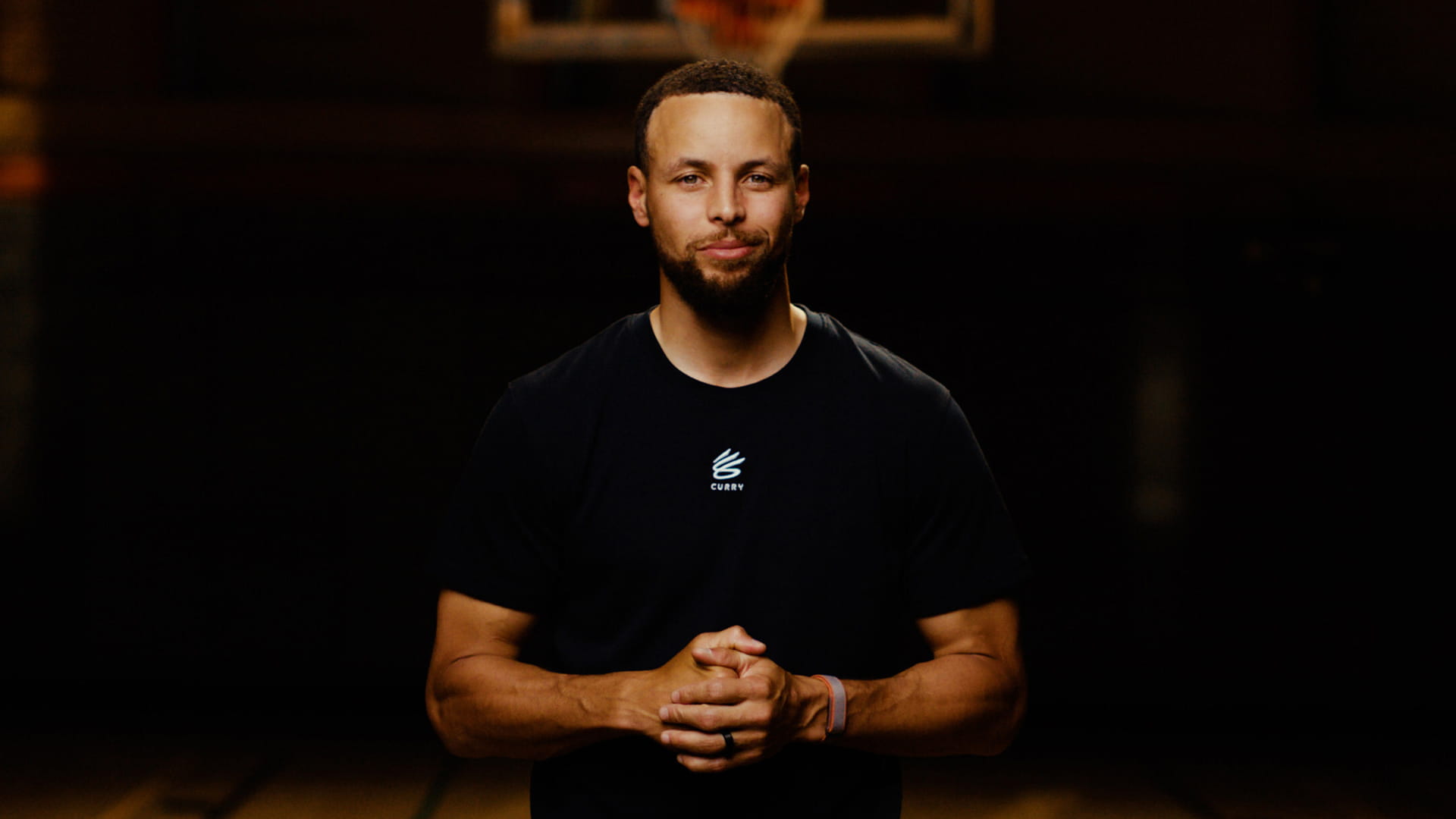
On June 2, NBA star Stephen Curry signed a ten-year endorsement deal with Chinese sportswear brand Li-Ning. Neither side disclosed the value of the agreement, but industry accounts have largely converged around one figure: more than USD 400 million.
Citing multiple reports, 36Kr said Curry will receive a guaranteed annual endorsement fee of USD 30 million, a share of sales from his personal Curry Brand, and equity incentives tied to Li-Ning’s listed shares. The structure, combining a large guarantee, sales participation, and equity upside, resembles the kind of treatment Nike once gave Michael Jordan.
Curry brings a rare combination of performance record, traffic, and market appeal. He is widely regarded as one of the NBA’s most influential players and one of the greatest guards in league history.
In April, USA Today ranked Curry fourth on its list of the 25 greatest NBA players, behind only Jordan, LeBron James, and Kobe Bryant. Other sports media rankings have tended to place him lower, but Curry still offers much of what a sports brand wants in a global endorser.
Why Li-Ning made the bet
The commercial value of a basketball endorsement usually rests on two forms of leverage.
The first is performance-led sales, where a player’s on-court output directly moves product. At 38 and entering the later stage of his career, Curry carries more uncertainty on that front. The second is broader IP value. Jordan’s brand continued selling long after his retirement, but building that kind of asset requires time, patience, and sunk cost.
Seen from that angle, Li-Ning can be seen as signing Curry after the peak of his playing career. Capital markets also tend to be wary of long-cycle bets. The question then, is whether Li-Ning’s spending will prove worthwhile.
Li-Ning and Nike both showed interest in Curry in 2013. At the time, he was a rising young player whose right-foot injuries made brands hesitant. Under Armour made a more committed offer, and the two sides eventually reached a deal reportedly worth USD 4–5 million per year. What followed became a textbook sports marketing case.
As Curry’s value rose, Under Armour’s basketball business surged with him. In 2015, Curry’s first signature shoe, Curry 1, generated USD 160 million in sales. Under Armour’s basketball shoe sales jumped 350% that year, and the company’s total revenue rose from USD 2.3 billion in 2013 to USD 4 billion.
In November 2025, Curry’s partnership with Under Armour expired, giving Li-Ning another opening.
US sports journalist Shams Charania said on social media that Curry had tried different shoes and found himself most comfortable in the signature models of Dwyane Wade and Jimmy Butler. Both products are made by Li-Ning.
Li-Ning signed Wade to a lifetime deal in 2018, as the former NBA star neared retirement, and built the Way of Wade sub-brand around him. It has become one of the company’s most prominent case studies. Li-Ning’s strategy with Butler has been more performance-oriented, with the Jimmy Butler 1 and 2 positioned as high-end basketball shoes for serious players.
Why Curry chose Li-Ning
Curry’s decision to choose Li-Ning over richer offers was not driven only by recommendations from teammates.
Charania added that Li-Ning and Anta were the final two contenders, and that Li-Ning pulled ahead because it offered Curry a more diversified investment portfolio rather than a simple one-to-one endorsement agreement.
Materials provided by Li-Ning also show that the company and Curry will jointly operate Curry Brand, with products spanning basketball shoes, golf goods, and sports lifestyle apparel. The two sides will build the brand together and explore broader possibilities for the globalization of both Li-Ning and Curry Brand. Standalone Curry Brand stores are also planned.
All of this points in one direction: Li-Ning wants Curry Brand to become the next Air Jordan.
In China, Li-Ning still benefits from the national recognition and symbolic appeal of its founder, a former elite athlete. But replicating Air Jordan will be difficult.
The industry’s broad view, according to 36Kr, is that Air Jordan succeeded because Nike made an all-in bet at the right time, during an era dominated by television and powered by rapid global growth in basketball. Today, younger consumers are less attached to live basketball than previous generations were.
The challenge is visible in viewership data. The first game of the 2025 NBA finals drew fewer than 11 million television viewers, down 5% from 2023. Some reports said the second game of the finals drew only 8.6 million viewers globally, the lowest level since 2007.
If lower ratings reflect fragmentation caused by shortform video and other media channels, financial results offer a more direct view of the industry slowdown.
Li-Ning’s 2025 annual report showed that sales from its basketball category fell 19% year-on-year. The decline reflected both broader weakness in basketball participation and consumption, as well as the company’s own adjustments over the past two to three years.
At the company’s earnings call, Li-Ning group executive director and co-CEO Qian Wei said the company believes maintaining investment and market leadership in basketball could help it keep expanding market share before the category recovers. “Basketball is extremely important to Li-Ning,” Qian said. “The tougher the market environment, the more we need to stay committed to deepening our work in the category.”
A company insider also told 36Kr that the Curry signing is viewed internally as a key move in Li-Ning’s globalization strategy.
JPMorgan has said it takes at least 15–18 months to build a mature brand matrix, while amortization costs and R&D spending tied to the contract will start affecting the company from 2026. Still, JPMorgan views the impact as manageable and forecasts that Li-Ning’s advertising and promotion expenses will account for 12% of total sales this year. In recent years, the figure has generally stayed around 9%.
As of publication, institutions including JPMorgan and CICC continued to rate Li-Ning as “overweight” or “buy.”
KrASIA features translated and adapted content that was originally published by 36Kr. This article was written by Xie Yunzi for 36Kr.