
BYD is preparing to move humanoid robots into real-world commercial settings.
The Chinese electric vehicle leader said on social media that a humanoid robot developed in-house would make its first public appearance at its D Space facility in Zhengzhou in early August. BYD confirmed the information to IPO Zaozhidao.
The appearance would mark the first time BYD has officially presented a physical, operable prototype of a humanoid robot.
According to information previously released by D Space, the robot is nicknamed “Xiao Di” and is positioned as a service humanoid robot. It stands 1.61 meters tall, weighs 58.5 kilograms, and has 31 degrees of freedom across its body. Each hand has seven dexterous degrees of freedom.
Xiao Di supports multimodal interaction. It can provide real-time, two-way translation across six Chinese dialects and six foreign languages. It also has 360-degree vision, dynamic modeling, facial recognition, lip movement recognition, and gesture recognition capabilities.
The relevant content was later deleted from the official account.
Based on publicly available information, Xiao Di’s initial deployment sites are expected to include BYD’s D Space venues and offline stores.
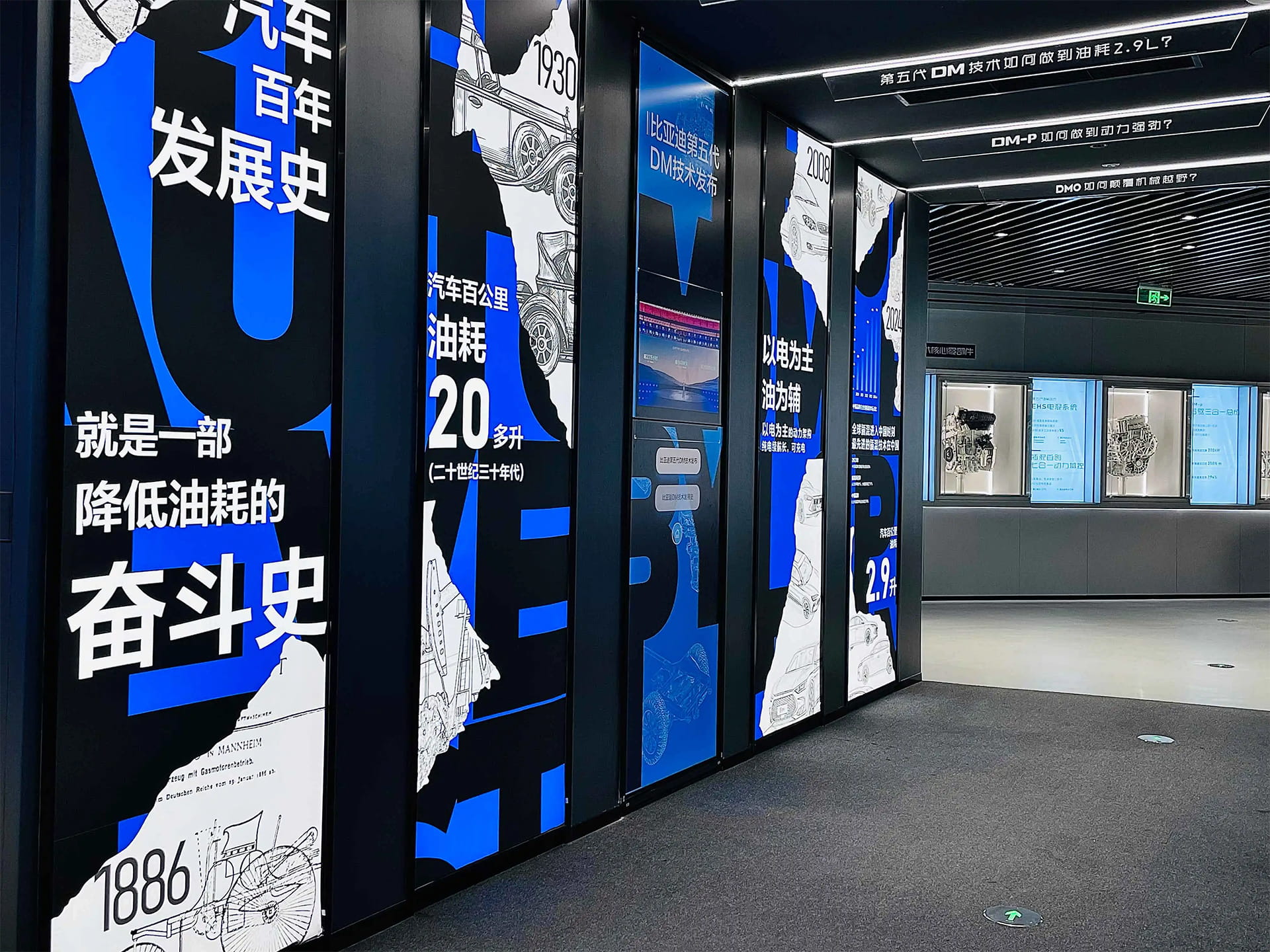
Located in prime commercial districts in China’s first-tier cities and provincial capitals, D Space is BYD’s public education venue for new energy vehicles. It is an immersive space that combines automotive culture, design, and hands-on technology experiences. D Space currently has two main locations, in Zhengzhou and Tianjin.
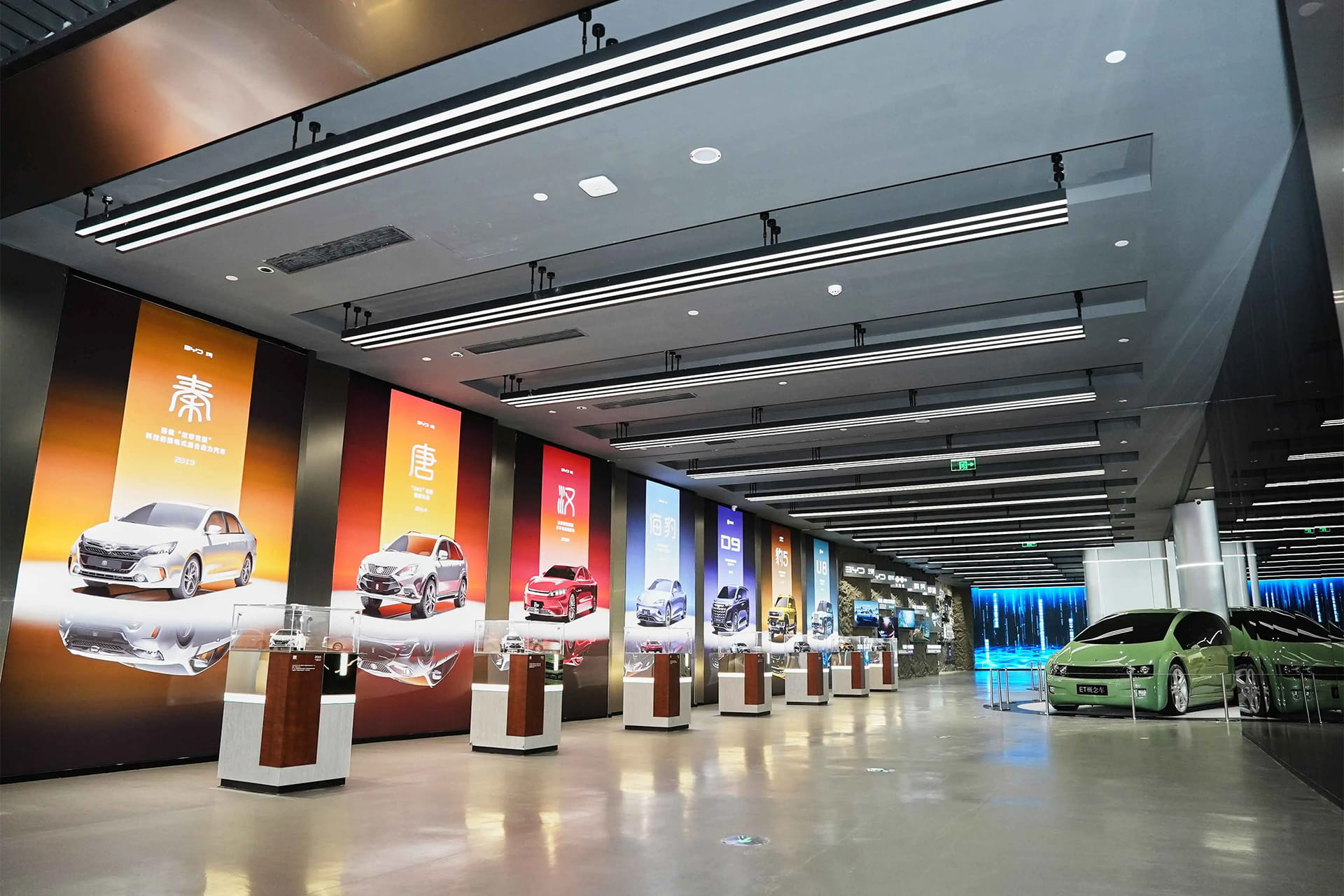
In these settings, the robot is expected to perform standardized tasks such as greeting visitors, explaining vehicle models, demonstrating in-vehicle systems, and attracting customer traffic through interactive engagement.
Compared with open environments, D Space venues are more controlled, with more clearly defined tasks and more manageable requirements for stability and reliability. For humanoid robots, such settings could offer an early pathway from technical validation to commercial deployment.
Stella Li, BYD’s executive vice president, previously said the company’s short-term goal was for its robots to provide in-store sales assistance, with two to three units deployed at each store. Over the medium term, BYD plans to introduce the robots into commercial settings such as supermarkets, shopping malls, and warehouses. In the longer term, it hopes the robots can enter homes and handle tasks including cleaning, cooking, and companionship.
BYD’s move into robotics follows several years of preparation.
The company established an embodied intelligence team, focused on artificial intelligence systems that can perceive and act in physical environments, as early as 2022. It has since explored how capabilities built across its automotive supply chain could be transferred to robotics.
Automobiles and humanoid robots overlap in several technology areas. BYD’s longstanding capabilities in batteries, electric motors, electronic control systems, and full-vehicle manufacturing could help it lower robot hardware costs and improve its ability to manufacture at scale.
BYD’s push into robotics is also taking place as competition intensifies in the automotive sector.
According to production and sales data released by BYD, the company sold 1.8085 million new energy vehicles in the first half of 2026, down 15.7% from a year earlier. The decline was mainly due to continued price competition and adjustment pressures in China’s domestic market.
A growing number of automakers are looking at humanoid robots as a potential new source of growth.
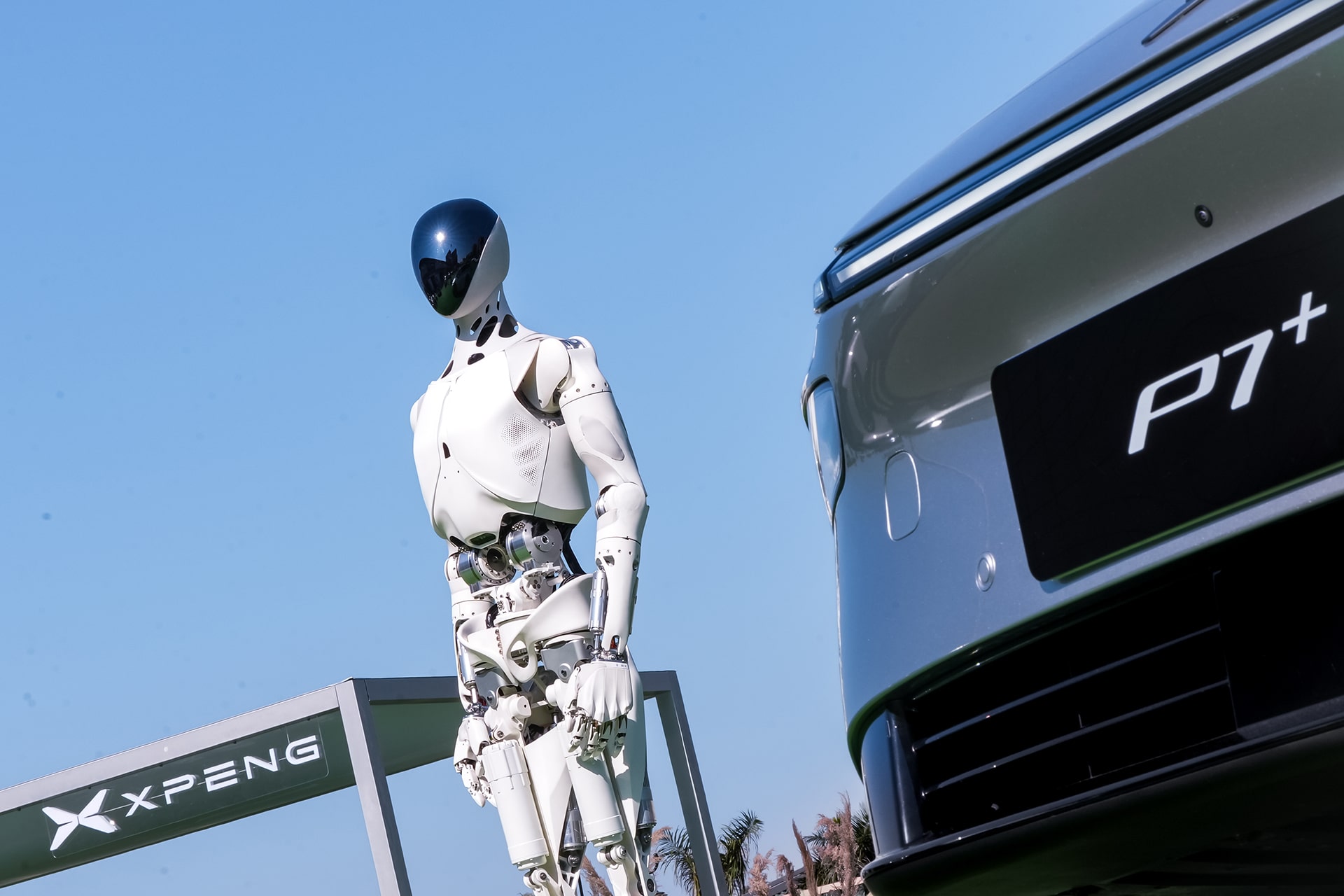
Tesla, Xpeng, Li Auto, and GAC Group are among the automakers that have entered the robotics sector. Tesla’s Optimus is expected to enter production this year. Xpeng has introduced its Iron humanoid robot and is advancing small-batch trial production. Li Auto is also exploring both two-wheeled and bipedal robot designs.
RELATED ARTICLE
The market had previously circulated information about BYD’s humanoid robot development under a project said to be known internally as “Yao Shunyu.” Reports claimed that a seventh-generation robot prototype had been tested at factories in Shenzhen and Changsha and was being prepared for large-scale internal deployment. BYD later denied the reports.
Some market observers believe the information may have referred to separate BYD product lines, with Yao Shunyu potentially corresponding to heavy-duty industrial models designed for factory use.
As robotics technology enters the commercial validation stage, 2026 is shaping up as a key deployment phase.
Data from China’s Ministry of Industry and Information Technology showed that the country produced about 20,000 humanoid robots in 2025. Production exceeded 40,000 units in the first half of 2026 and is expected to surpass 100,000 units for the full year.
Chinese government policy is also continuing to support the sector. Special plans for 2026 issued by the Ministry of Industry and Information Technology and the State-owned Assets Supervision and Administration Commission of the State Council call for the establishment of capacity to deploy humanoid robots at the 10,000-unit scale by the end of the year.
Following the news about humanoid robots, BYD’s A-shares rose against the broader market on July 28. The stock gained more than 1% to close at RMB 93.35 (USD 13.8) per share, even as the ChiNext Index declined and more than 2,700 stocks fell across the Shanghai and Shenzhen markets. BYD shares rose more than 2% at one point during the trading session.
This article was adapted based on a feature originally written by SY and published on IPO Zaozhidao. KrASIA is authorized to translate, adapt, and publish its contents.
Note: RMB figures are converted to USD at rates of RMB 6.77 = USD 1 based on estimates as of July 30, 2026, unless otherwise stated. USD conversions are presented for ease of reference and may not fully match prevailing exchange rates.