
Restaurants in China are struggling to make money on dine-in meals as customers choose cheaper delivery options, adding to the pressure of a government ban on expensive official dinner parties.
The industry is undergoing a “deep correction” and faces “multifaceted challenges,” the operator of a well-known Peking duck restaurant chain warned in its latest earnings report.
Dating back to 1864, Quanjude Group has 89 locations in China. It has seen better days. Sales dropped 11% to RMB 1.25 billion (USD 183.6 million) for the fiscal year ended December 2025 while net profit plunged 77%. Both figures fell for the second year in a row.
Tang Palace Holdings, which runs high-end restaurants in Shanghai and other major cities, is suffering, too. Its 2025 sales fell 12% to RMB 894.58 million (USD 131.4 million), and it suffered a net loss for the second year running. Business dinners are decreasing, Tang Palace’s earnings report noted.
In May last year, Chinese authorities toughened rules meant to encourage frugality and reduce waste. Civil servants were banned from entertaining with expensive food and alcohol. But ordinary citizens began cutting back as well. Under austerity, a high-end brand image hurts rather than helps chains like Quanjude and Tang Palace.
Meanwhile, the growing popularity of food delivery means fewer people are eating out. Roughly 629.79 million people used domestic food delivery services last year, according to estimates by the China Internet Network Information Center.
Delivery companies have been waging a price war to attract consumers. The three big players, namely Meituan, Alibaba, and JD.com, spent a total of RMB 74.4 billion (USD 10.9 billion) on discounts and other promotions between April and September 2025, according to estimates by local media outlet The Paper.
Hot pot restaurants have been hit particularly hard by the price war. These restaurants, where cooking at the table is a big part of the attraction, had a harder time configuring themselves to delivery.
One of China’s biggest hot pot chains, Haidilao, saw revenue fall 7% to RMB 37.5 billion (USD 5.5 billion) in 2025, parent Haidilao International Holding reported.
The company has taken steps to adapt to takeout, such as preparing disposable aluminum pots for home use. Delivery sales more than doubled compared with the previous year to RMB 2.6 billion (USD 381.8 million), but this has not been enough to offset falling in-store sales.
Haidilao responded to the pressure with its “Pomegranate Plan,” which calls for launching a slew of new restaurants, like the seeds of a pomegranate.
By the end of last year, Haidilao had branched out into 20 different restaurant formats, including conveyor belt sushi, barbecue, and desserts.
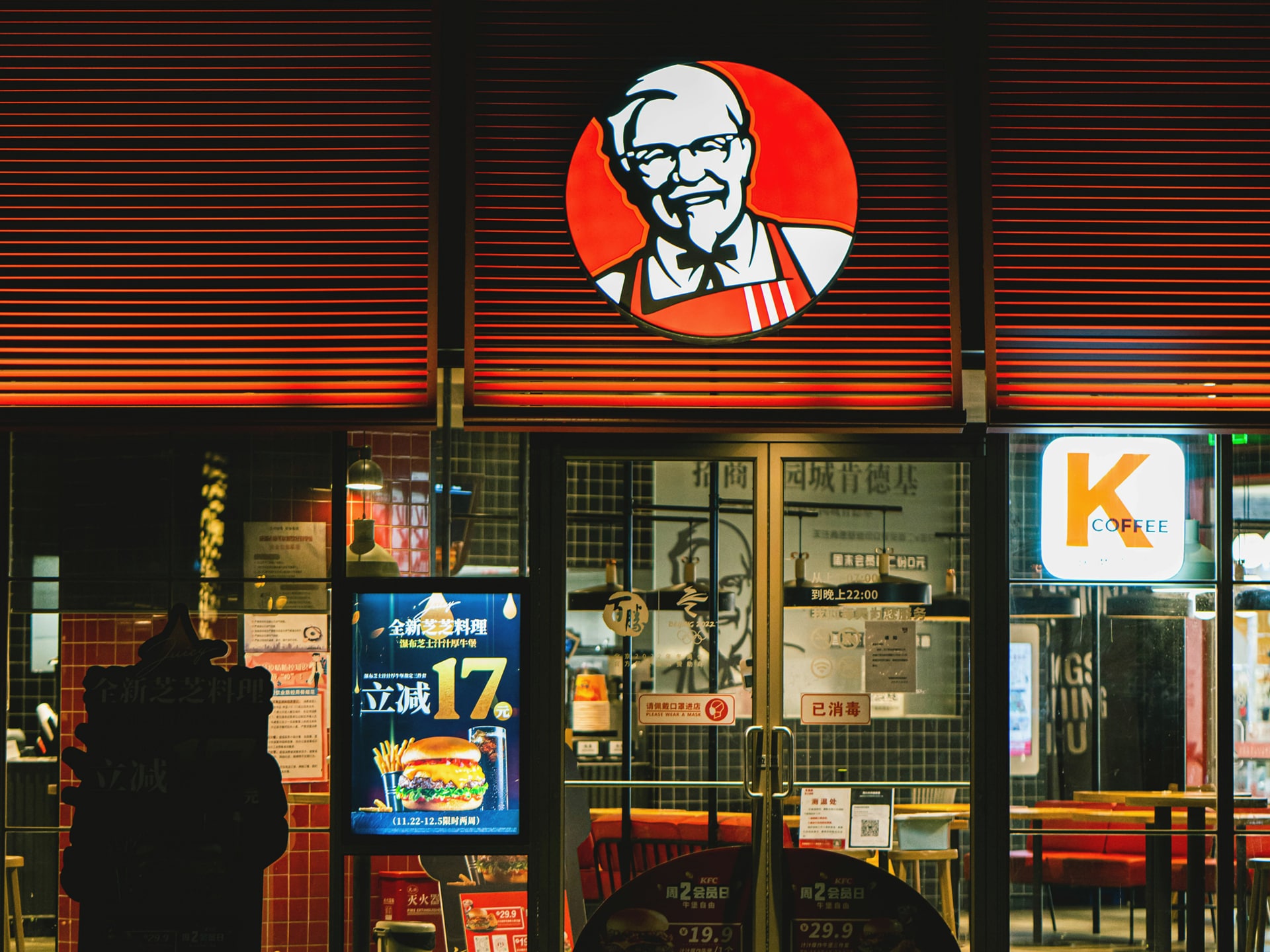
Some restaurant groups are making the most of the delivery boom. At Yum China Holdings, the local operator of KFC and other fast food chains, revenue grew 4% last year to USD 11.7 billion. Delivery orders accounted for 48% of revenue, rivaling in-store dining, thanks to app upgrades and other steps.
Chinese consumer spending has been weak overall as the economy has slowed. Consumers are increasingly cost-conscious, and delivery companies are resorting to deep discounts to keep them coming back.
Restaurants finds themselves caught in the crossfire. According to a survey conducted by Chinese research firm BDO, which interviewed 2,298 restaurants in China, nearly 80% reported that their profits had decreased due to the takeout price war.
For restaurants designed for in-store dining, rent eats into earnings even if delivery orders increase. New formats may emerge as the industry adapts.
This article first appeared on Nikkei Asia. It has been republished here as part of 36Kr’s ongoing partnership with Nikkei.
Note: RMB figures are converted to USD at rates of RMB 6.81 = USD 1 based on estimates as of May 13, 2026, unless otherwise stated. USD conversions are presented for ease of reference and may not fully match prevailing exchange rates.