
AliExpress made its debut at IFA 2026 with a booth featuring nine Chinese brands. The Alibaba Group cross-border e-commerce platform displayed products ranging from smart glasses and aircraft with flapping wings to 3D printers and electric bicycles at the global consumer electronics show.
The display reflected a shift in the platform’s role: helping third-party brands establish themselves overseas, alongside selling products. That shift is becoming more pressing as the economics of cross-border commerce change.
Tax reforms in the European Union have increased pressure on cross-border commerce, with higher tariff costs hitting businesses built on low prices and high volumes.
AliExpress’s EU sales nevertheless rose 97% in August, according to 36Kr, which attributes that resilience primarily to its Brand+ program. Branded goods command higher average order values, giving sellers more room to absorb tariff costs. Many also ship from European warehouses, which may help mitigate the tariff impact on cross-border parcels. By August, Brand+ reported brand sales penetration of more than 50% in 11 countries, including Germany, France, and Poland.
Artificial intelligence hardware is the fastest-growing category in AliExpress’s branded business overseas. According to platform data, the scale of that business doubled year-on-year between January and July this year.
The IFA booth brought together companies with different routes to overseas markets. They included hardware startups GMKtec and MagicLab; established brands Engwe and Anycubic, which had moved from Amazon’s ecosystem; and Ilife and Seauto, which had built their overseas businesses entirely through AliExpress.
Ilife, for example, used the platform’s resources to enter Poland. According to 36Kr, one in ten Polish households now has an Ilife robot vacuum, and the brand’s AliExpress sales have nearly tripled over the past year. More than 90% of Seauto’s European orders come through AliExpress. For these brands, the platform serves as both a sales channel and a way into new markets.
RELATED ARTICLE
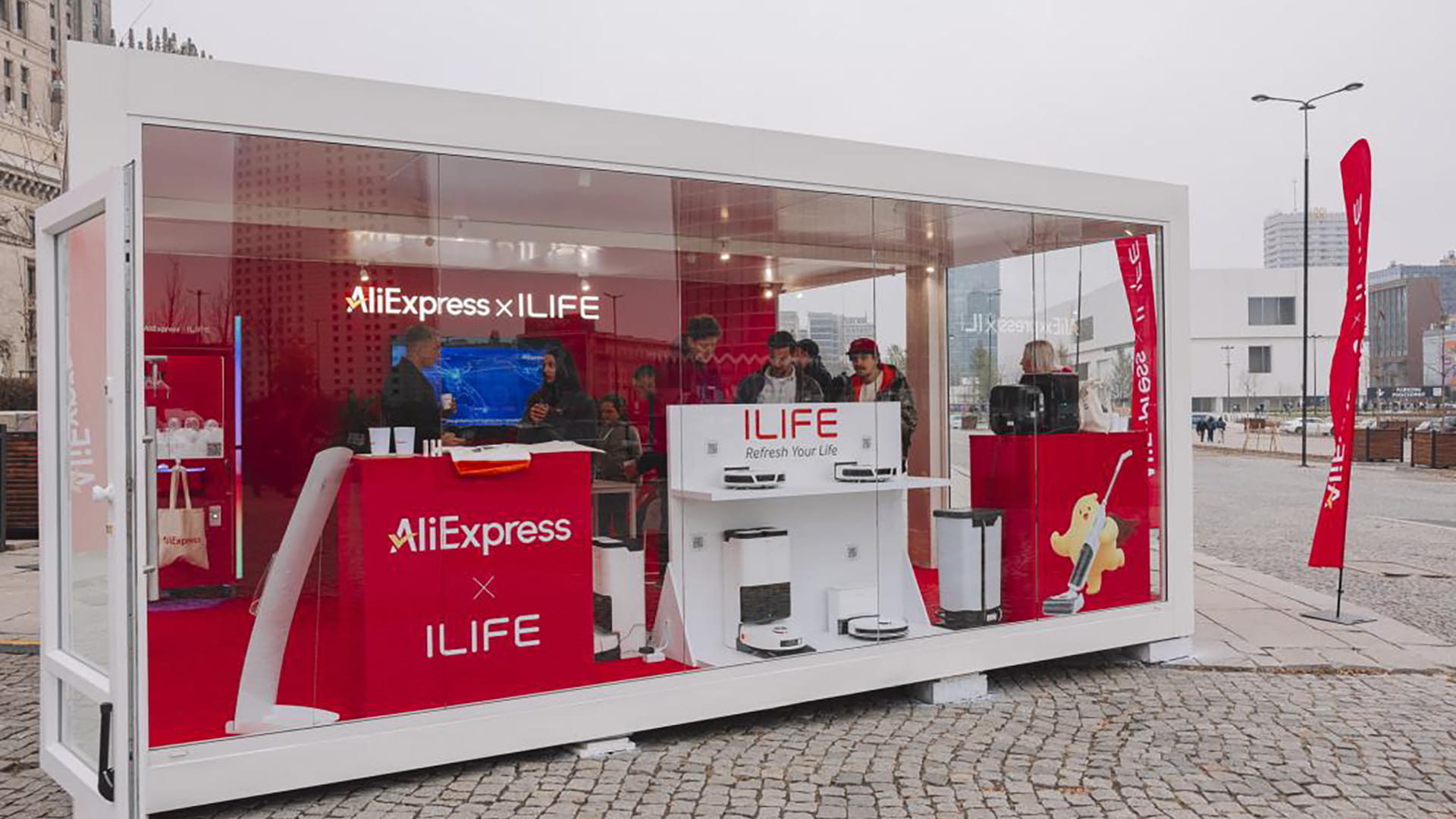
During the show, AliExpress announced three upgrades to Brand+:
- It will extend its integrated marketing offering to more markets, replicating its European approach in the US, South Korea, Brazil, and elsewhere.
- It will upgrade its AI tools for brands, providing product selection analysis, pricing strategies, and multilingual content generation.
- It will expand local warehousing and fulfillment in Europe. Alongside its official warehouses in Spain, France, and Poland, a German facility is scheduled to open in mid-September, which the platform said will reduce merchants’ warehousing and fulfillment costs by 10%.
AliExpress combines marketing with distribution. It runs branded campaigns on its platform and says it has connected brands with more than 10,000 influencers and hundreds of thousands of affiliate publishers, supported by 200 marketing events a year. Its warehousing and fulfillment network covers 27 countries and uses inventory forecasting tools to help manage orders.
Brand+ offers shared services for brands entering new markets, from building consumer awareness to delivering orders. Xiaomi, Honor, Anker, Li-Ning, Pop Mart, and Unitree Robotics are among its participants. The platform reports brand penetration of more than 30% among active buyers, while branded goods account for nearly 40% of gross merchandise value (GMV). AliExpress expects to help 2,000 Chinese brands double the scale of their overseas businesses in 2026.
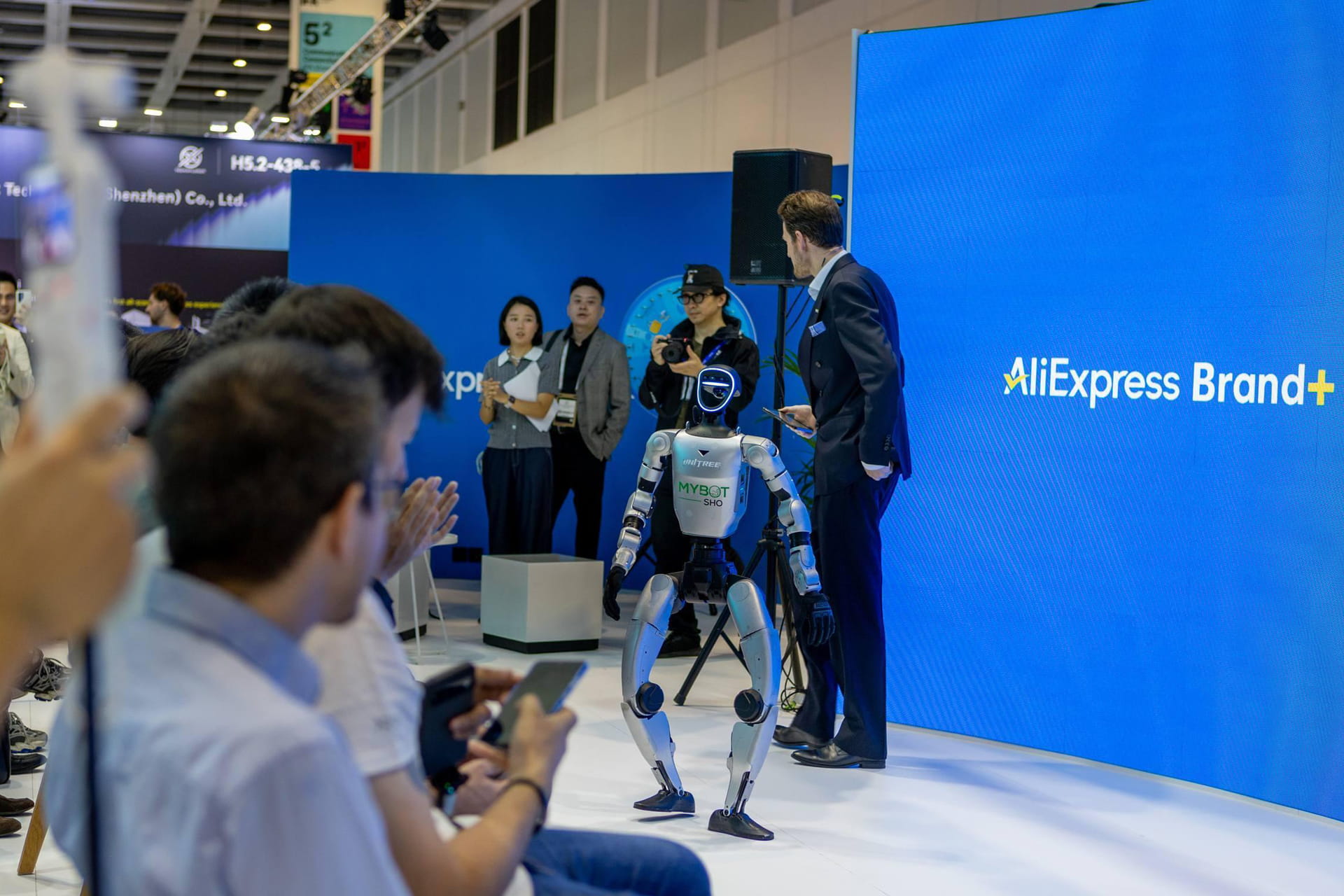
Rankings from Ad Age, The Harris Poll, and related sources place AliExpress first for growth in brand appeal among Gen Z consumers across the US, overtaking the likes of Lululemon and Grok.
A Nielsen report on overseas expansion suggests that brands have more viable sales channels beyond Amazon. According to the report, 89% of European users have switched shopping platforms, with 14% moving from Amazon to AliExpress. Annual spending by AliExpress’s European users grew 25%, compared with 19% for Amazon.
AliExpress is also expanding its local European network. A partnership with Payback, a leading German cashback platform with 35 million members, aims to help new brands earn consumers’ trust. Its affiliate marketing partnership with Awin has generated more than EUR 1 billion (USD 1.2 billion) in cumulative GMV and serves more than 100 Brand+ brands.
Tax reforms and shifting trade rules are narrowing the scope for strategies built on low prices and large numbers of listings. At the same time, overseas consumers increasingly seek quality and recognizable brands.
For brands that once treated Amazon as their first choice abroad, selling across several platforms offers another route. But reaching buyers still requires consumer awareness, local marketing, and reliable fulfillment.
Brand+ seeks to make those tasks repeatable by giving brands access to shared marketing and logistics services. Its value will depend on whether those services help sellers establish a lasting presence overseas.
Cultural differences, supply chain stability, and consumer awareness still require sustained work. The IFA display showed how Chinese hardware companies are moving from contract manufacturing into consumer markets, with cross-border e-commerce platforms taking on more of the marketing and distribution work.
KrASIA features translated and adapted content that was originally published by 36Kr. This article was written by Huang Nan for 36Kr.
Note: EUR figures are converted to USD at rates of EUR 0.86 = USD 1 based on estimates as of September 14, 2026, unless otherwise stated. USD conversions are approximate and, where appropriate, rounded for ease of reference. They may not fully match prevailing exchange rates.